The Morning After the Best Show of Your Life: How to Protect the Performer You Were Last Night
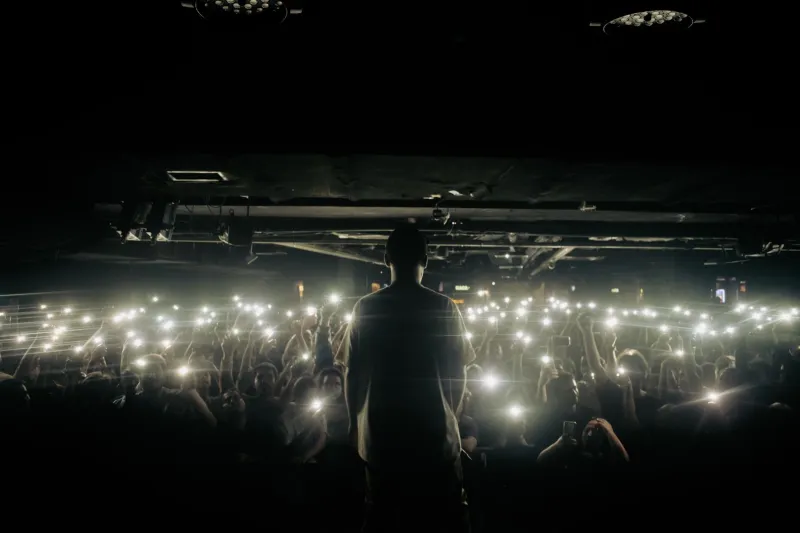
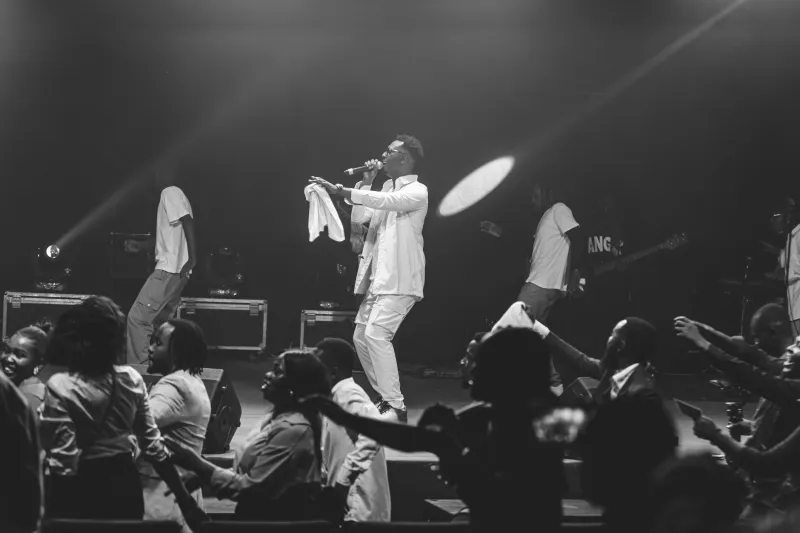
You crushed it. The crowd was on their feet before you even finished. People were grabbing your arm in the hallway, slipping you their cards, telling you that was the best thing they'd seen all year. You drove home floating somewhere between the roof of your car and the stratosphere.
And then you woke up.
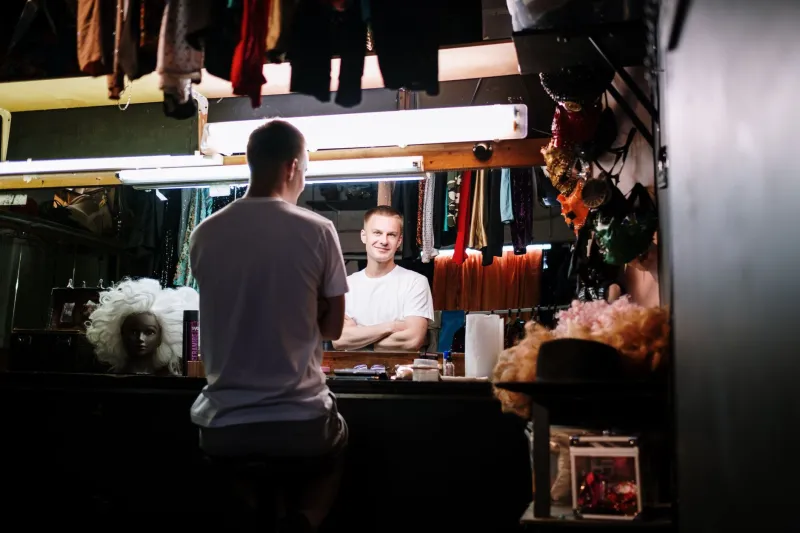
Not with energy. Not with momentum. With a kind of hollow, gray quiet that doesn't make any sense given what just happened. The gig was a win. So why does Tuesday feel like a loss?
If that pattern sounds familiar, you're not broken. You're experiencing one of the most poorly discussed hazards in the performance world — the post-show psychological crash — and if you don't learn how to manage it, your best nights will keep stealing your next ones.
Your Brain on Applause
Here's the science in plain terms. During a high-energy performance, your brain floods with dopamine, adrenaline, and cortisol. You're running hot — heightened perception, sharpened focus, elevated emotional output. It's genuinely intoxicating, and your body knows it.
The problem is what happens when the curtain drops. Those neurochemicals don't just politely excuse themselves. They crash. Cortisol, in particular, takes a nosedive after a prolonged spike, which is why the hours following an intense performance can feel weirdly depressive even when everything objectively went well. Athletes call a version of this post-competition blues. Performers tend to call it "just being tired" — and then quietly wonder why they can't get motivated to rehearse two days later.
Left unmanaged, that crash erodes more than your mood. It erodes your preparation window for whatever comes next.
The Trap Nobody Warns You About
The dangerous part isn't the crash itself — it's how you respond to it.
Most performers, riding the high of a great show, do one of two things. They either stay up way too late reliving it (replaying footage, scrolling through tagged posts, texting everyone who was there), or they use that good feeling as permission to coast. Both responses feel earned in the moment. Neither one protects your next performance.
Staying up late extends the dopamine spike artificially and makes the eventual crash harder. Coasting convinces your nervous system that preparation is optional when you're "on" — which is one of the most dangerous beliefs a performer can carry into a booking.
The morning after a great show is the exact moment your discipline gets tested. And most people fail it quietly, without realizing the cost until they're standing in front of a new room wondering where their edge went.
What Elite Performers Do Differently
Consistency across multiple shows isn't about replicating the same emotional state every night. It's about creating a stable floor so that your floor is still someone else's ceiling.
Here's what that actually looks like in practice:
Decompress with a hard stop. Give yourself a defined window — say, ninety minutes after the show — to celebrate, debrief, and feel the win. Then stop. Put the phone down. Stop reading comments. Stop replaying the highlight moments. Let the night close. Performers who can close the loop on a great show are far better positioned to open fresh the next morning.
Sleep like it's your job. Because it is. The neurological reset that happens during quality sleep is the single most effective recovery tool available to any performer. Skipping it in favor of post-show socializing feels like a reward. Physiologically, it's a penalty.
Write the honest debrief before the memory gets romantic. The night of or the morning after, while it's still clear, write down what actually worked and why — not the version where everything was magic, but the specific, technical truth. What choice paid off? What almost fell apart? What did the room respond to that surprised you? That document is worth more than any highlight reel.
Re-establish your routine within 24 hours. This is the one that separates the performers who build careers from the ones who collect great nights. Getting back into your normal preparation rhythm — even briefly, even lightly — the day after a win signals to your nervous system that success is the standard, not the exception.
The Comeback Is Built in the Quiet
Here's the thing about showstopping moments: they don't happen in the spotlight. They happen in the hours before and the hours after, when nobody's watching and the work is invisible.
A standing ovation is an incredible thing. It should mean something to you. But it's not a destination — it's data. It tells you that the preparation worked, the execution landed, and the audience was ready to receive what you brought. That's valuable information. Use it.
The performers who can walk off a stage after the best show of their lives, sleep well, wake up grounded, and get back to work — those are the performers who get called back. Not because they got lucky twice, but because they built a system that makes luck look inevitable.
Your next gig deserves the same version of you that showed up last night. Protect that version. Don't let the silence after the standing ovation steal it.