When the Crowd Goes Off-Script: Turning Hecklers Into Your Highlight Reel
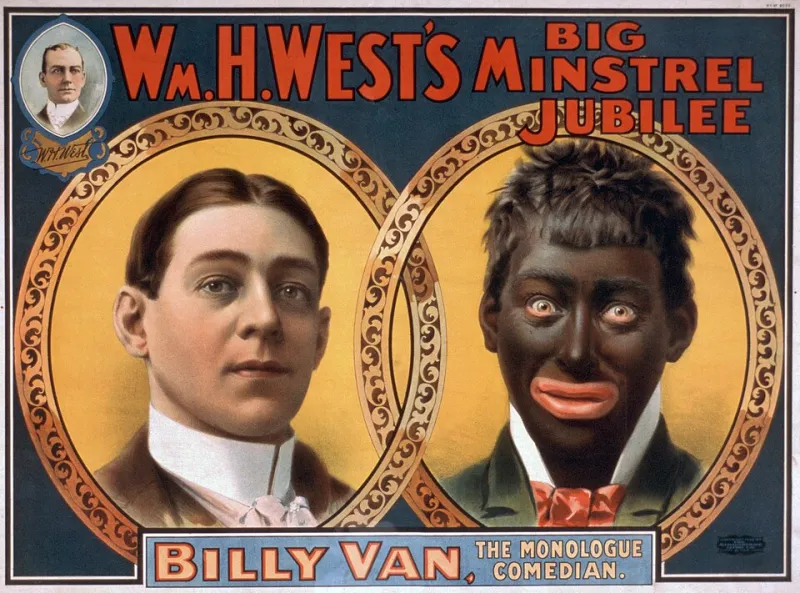
Photo: Strobridge & Co. Lith, Public domain, via Wikimedia Commons
You're mid-set. The energy is right where you want it. Then somebody three rows back decides tonight is their night. Maybe it's a loud comment, a phone going off at the worst possible second, or someone who's had one too many and thinks they're funnier than you.
Here's the truth nobody tells you when you're just starting out: that moment? That's actually a gift.
Not every performer sees it that way — at least not at first. But after enough time on stage, you start to realize that the unplanned stuff is often what separates a good show from a legendary one. The moments audiences remember aren't always the polished bits you rehearsed in front of your bathroom mirror. They're the raw, human, completely unrepeatable flashes of real life breaking through the performance.
Let's talk about how to actually use them.
Own the Room Before Anyone Else Can
The first thing to understand about hecklers is that they usually aren't trying to ruin your show. Most of the time, they're just excited. They want to be part of something. That energy isn't your enemy — it's misdirected enthusiasm, and your job is to redirect it.
The performers who get rattled by interruptions are almost always the ones who were gripping their set list too tightly to begin with. If you're so locked into your planned material that any deviation feels like a crisis, you've already lost the room's trust before the heckler even opens their mouth.
The fix? Build flexibility into your performance DNA. Rehearse your material until it's second nature, not a script. When you truly own what you're doing, a disruption feels less like an attack and more like an unexpected guest at a party you're already hosting.
The 3-Second Rule That Changes Everything
When something unexpected happens — a shout from the back, a spilled drink that causes a commotion, someone's kid wandering toward the stage — resist the urge to immediately react. Take three seconds. Breathe. Look at the situation.
Those three seconds do two things. First, they give you time to actually assess what's happening instead of just reacting on adrenaline. Second — and this is the part most people miss — the audience watches you during those three seconds. They're reading your body language. If you look panicked, they feel unsafe. If you look calm and even a little amused, they lean in. They trust you. They're already excited to see what you're going to do with this.
You've shifted from performer to storyteller in real time, and everyone in that room knows it.
Wit Over Aggression, Every Single Time
There's a temptation — especially early in a career — to go hard on a heckler. To shut them down fast and publicly to prove you're in charge. And yeah, sometimes a firm, direct response is exactly what the moment calls for. But there's a big difference between confident and combative.
Aggression might silence the heckler, but it also makes the rest of the audience uncomfortable. Suddenly they're not watching a show — they're watching a confrontation. That's a completely different kind of energy, and it's very hard to come back from.
Wit, on the other hand, does something magical. It diffuses the tension and entertains everyone watching. The heckler becomes a supporting character in your story rather than a rival. Done right, they'll end up laughing along with everyone else, and the whole room bonds over the shared experience.
Study how performers like Dave Chappelle or Hannah Gadsby handle crowd chaos — not to copy their exact lines, but to absorb the philosophy underneath. Stay curious. Stay loose. Let the moment breathe.
Stockpile Your Go-To Redirects
Improvisation is a skill, but even the best improvisers have a toolkit they've built over years. You don't have to be completely unprepared for disruption — you just can't look like you prepared for it.
Here's a practical move: after every show where something unexpected happened, write it down. What was the disruption? How did you respond? How did the crowd react? Over time, you'll start to see patterns. Certain types of interruptions happen again and again, and you'll develop genuine, natural responses that feel spontaneous because they've been refined by real experience.
Think of it like a jazz musician learning scales. You don't play scales during the concert, but the hours you spent on them are exactly why you can improvise beautifully when the moment calls for it.
Why the Unplanned Moments Are the Ones People Share
Here's something worth sitting with: in an era where everyone has a camera in their pocket, the clips that go viral almost never come from the polished, rehearsed parts of a performance. They come from the real moments. The stumble that gets turned into a joke. The callback to something that happened earlier that night. The interaction with an audience member that nobody could have scripted.
Those moments are shareable because they're unique. Nobody else will ever have that exact experience again, and the people who were in the room know it. That's powerful.
As a performer building your brand, that's exactly the kind of energy you want surrounding your name. You want people leaving your shows with stories — not just memories of a performance, but experiences they feel compelled to tell other people about.
The Real Flex: Making Them Part of the Show
The highest level of this skill isn't just surviving hecklers — it's actively making the audience feel like collaborators. When someone shouts something and you weave it into what you were already doing, you've done something extraordinary. You've made them feel seen and kept the show moving and created a moment that belongs only to that room on that night.
That's the showstopper instinct. Not control for control's sake, but the confidence to let things get a little messy and trust yourself to find the gold in it.
The crowd can always tell when a performer is genuinely having fun versus just executing a plan. Lean into the chaos sometimes. The best nights of your career might start with someone in the third row who didn't know when to stay quiet.