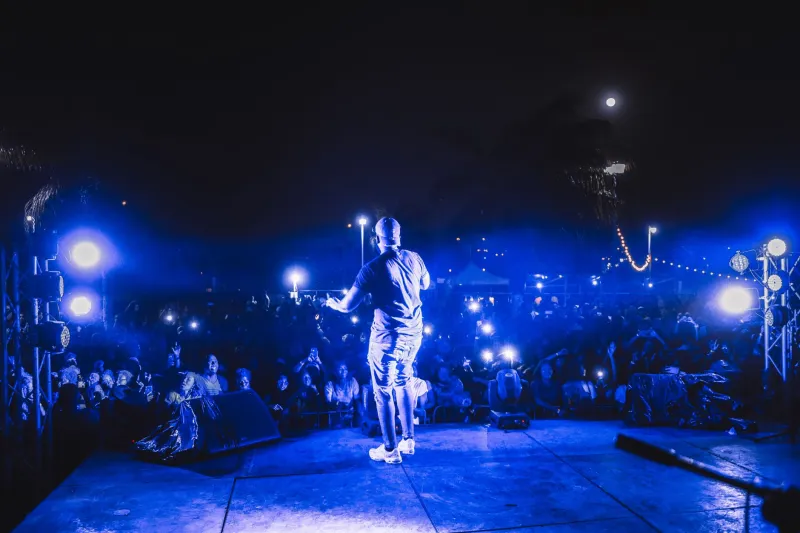
Stop Chasing the First Gig and Start Engineering the Callback
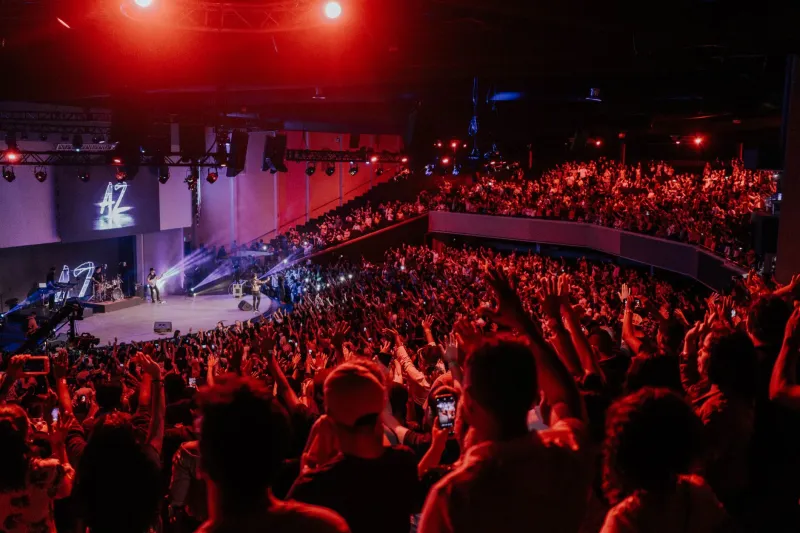
There's a version of this industry where you're constantly grinding — refreshing your inbox, following up on cold emails, pitching the same venue for the third time in two months hoping someone finally bites. And then there's another version where venues are reaching back out before your last run is even over, asking when you can come back.
The gap between those two realities isn't talent. It's positioning.
Most performers spend the bulk of their energy trying to land the first booking. That's understandable — you need to eat, you need stage time, you need to build a resume. But here's the thing nobody really talks about: if you're always hustling for the first show, you never have the leverage to negotiate the second. And the second show? That's where the real economy lives.
Why the Callback Is Worth More Than the Cold Booking
When a venue brings you back, it means something. It means the room responded. It means the staff didn't hate dealing with you. It means the promoter doesn't have to take a risk — they already know what they're getting. That's an entirely different conversation than the one where you're convincing someone to give you a shot.
First bookings are auditions. Second bookings are endorsements.
And once you have that endorsement, the dynamic shifts completely. You're not the performer begging for a slot on a Tuesday night anymore. You're the act that worked in that room, and now you've got something to point to. That's social proof, and in this business, social proof is currency.
The real play is to treat every first show like it's a long interview for the residency you actually want.
The Counterintuitive Move: Saying No to Create Demand
Here's where a lot of performers hit a wall — they can't imagine turning down a gig. When you're trying to stay booked, every opportunity feels like one you can't afford to miss. But strategic scarcity is one of the most underused tools in a performer's arsenal.
When you say yes to everything, you signal that you're available to everyone. And available to everyone reads as available because nobody else wants you.
Now, this doesn't mean you should be turning down work left and right just to seem mysterious. That's not the move. The move is being selective in ways that are visible. Letting it be known — through your team, your social presence, your conversations — that your calendar fills up. That certain dates are already spoken for. That you're prioritizing rooms that fit your audience.
Even if your calendar isn't as packed as you're implying, the impression of demand creates actual demand. People want what other people want. Venues are no different.
Build the Show That Makes the Callback Inevitable
Of course, none of this positioning means anything if the performance itself doesn't hold up. You can't manufacture a callback out of thin air — you have to earn it onstage first.
The performances that generate return bookings tend to share a few things in common. They leave the audience feeling something they weren't expecting. They make the venue look good for having booked you. And they end at a moment when the crowd still wants more — not after they've already started checking their phones.
That last part is critical. The encore economy runs on appetite. You want people walking out of that room still hungry. Still talking about what just happened. Still pulling out their phones to tag the venue and ask when you're coming back.
If you've ever left a show thinking I wish that went a little longer, that performer did their job perfectly. They gave you enough to be satisfied but not so much that you're full. That's a skill, and it's one worth developing deliberately.
How to Actually Ask for the Second Show
Once you've delivered the kind of performance that earns a callback, you still have to close the loop. Don't just wait for the venue to reach out — but don't be desperate about it either.
The framing matters enormously here. There's a huge difference between "Hey, any chance you'd want to book me again?" and "The response was really strong — I'd love to talk about bringing something back to this room while the momentum is there." One sounds like you need them. The other sounds like you're doing them a favor by offering.
Follow up within 48 hours of the show while the energy is still fresh. Reference something specific — a moment that landed, a comment from a staff member, a social post the venue shared. Show them you're paying attention and that you see this as a partnership, not a transaction.
If you have representation or a manager, this is exactly where they earn their keep. A well-placed call from someone in your corner can turn a strong night into a standing date on the calendar.
Shift the Mindset, Shift the Market
The entertainers who seem to always be working — the ones you see popping up at the same venues seasonally, the ones who get name-dropped when promoters talk about reliable acts — they figured this out early. They stopped competing for first impressions and started investing in lasting ones.
Every room you play is either building a case for why you should come back or closing the door behind you. There's rarely a neutral outcome.
So the next time you're putting together your pitch strategy or thinking about which gigs to pursue, ask yourself: am I setting up the first show, or am I engineering the callback? Because the performers who are really winning in this game? They're already thinking three shows ahead before they've even finished negotiating the first one.
That's the encore economy. And once you start playing in it, you'll wonder why you ever played any other way.