Sell Out Before Showtime: The Pre-Performance Promotion Playbook
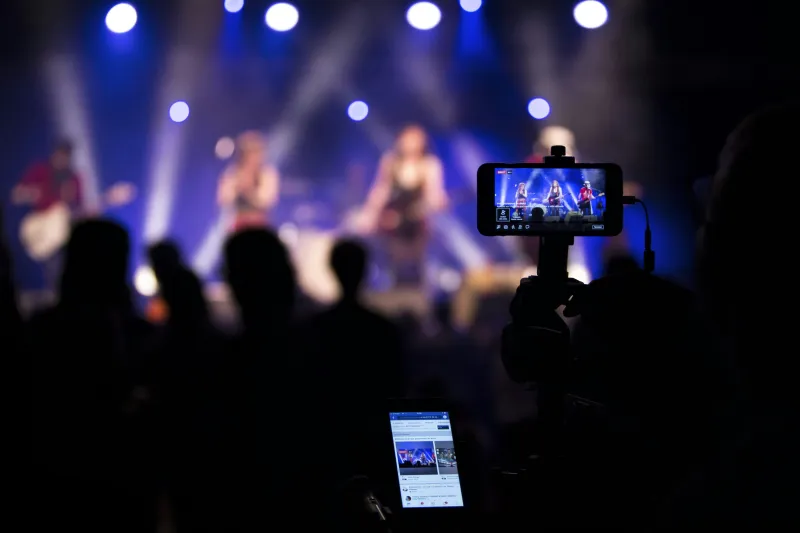
Photo: performer backstage social media promotion phone hype concert, via images.unsplash.com
Here's a hard truth nobody tells you when you're starting out: the show doesn't begin when the lights go down. It begins the moment you decide you're performing. The weeks, sometimes months, leading up to a big gig are where the real work happens — and most entertainers are sleeping on it.
I've watched performers with half the talent sell out venues because they knew how to build a moment. And I've seen legitimately gifted artists play to half-empty rooms because they dropped a single Instagram post the day before and called it promotion. The difference isn't luck. It's strategy.
Let's break down how to actually generate buzz before your next show.
Start Earlier Than You Think You Need To
If your show is three weeks away and you haven't posted anything yet, you're already behind. Seriously. The performers who consistently sell tickets aren't scrambling at the last minute — they're building a slow burn.
Think of it like a movie trailer campaign. Marvel doesn't drop a teaser the week the film opens. They start planting seeds months in advance, building layers of anticipation until the audience feels like they have to see it. You can do the same thing on a smaller scale.
A general rule of thumb: start your promotional push at least four to six weeks out. That gives you enough runway to create multiple touchpoints without burning out your audience with repetition.
Map Out a Content Calendar (Yes, Actually)
Random posting doesn't build momentum — it just creates noise. What you want is a deliberate sequence of content that escalates in energy as the show date approaches.
Here's a simple framework that works:
- Weeks 4-3 out: Tease the announcement. Drop hints. Post something cryptic. Let curiosity do the heavy lifting before you even name the date or venue.
- Week 3: Make the official announcement with all the details — date, venue, ticket link. Make it feel like an event, not a calendar notice.
- Weeks 2-1: Go behind the scenes. Rehearsal clips, outfit previews, a quick video of you running through new material. This content makes fans feel like insiders.
- Final 48 hours: Urgency. Limited seats. Last call. FOMO is a powerful motivator — use it ethically.
Platform-Specific Tactics That Actually Move Tickets
Not every platform works the same way, and treating them all identically is a waste of your time.
Instagram and TikTok are your emotional storytelling tools. Short-form video is king here. A 30-second clip of you in rehearsal, laughing through a mistake, or hyping up a new bit you're debuting — that stuff connects. It's human. People don't just buy tickets to see a performance; they buy them because they feel connected to the performer.
Facebook still matters, especially if your audience skews slightly older or if you're promoting local shows. Facebook Events are genuinely useful for community-based gigs. Don't write it off.
Email lists are criminally underused by most performers, and honestly, they're your most valuable asset. Social media algorithms are unpredictable. Your email list? That's a direct line. A well-written email to even a modest list of a few hundred engaged fans will consistently outperform a social post that reaches thousands of cold followers. If you don't have a list yet, start building one today. Offer something simple — a free download, early access to tickets, whatever makes sense for your brand — and start collecting addresses.
Behind-the-Scenes Content Is Your Secret Weapon
People are fascinated by process. The rehearsal. The prep. The nerves. The moment you figure out that one section of your act that wasn't working. Sharing that journey doesn't make you look unpolished — it makes you look real.
Some of the most effective pre-show content I've ever seen wasn't slick or produced. It was a performer sitting in their car after a rough rehearsal, talking honestly to their phone camera about what they were working on. That kind of authenticity builds the kind of loyalty that translates directly into ticket sales.
You don't need a production crew. You need genuine moments and the willingness to share them.
Collaborate to Expand Your Reach
One of the fastest ways to get in front of new potential ticket-buyers is to tap into someone else's audience. This could mean partnering with the venue to cross-promote on their channels, collaborating with other performers on the bill, or connecting with local media outlets or entertainment bloggers in your city.
Local press still carries weight for live events. A feature in a city publication or a shout-out from a popular local influencer can reach people who have never heard of you but are absolutely your target audience. Don't be too proud to pitch yourself.
Track What's Working
Promotion without measurement is just guessing. Most ticketing platforms give you basic analytics — use them. If you notice a spike in sales after a specific post or email, that's data. Do more of that. If something lands flat, adjust.
The goal is to build a repeatable system so that every show you promote, you're getting better at it. Your first campaign won't be perfect. Your fifth one should be noticeably sharper.
The Bottom Line
The performers who fill rooms aren't necessarily the most talented ones in the building — they're the ones who treat the pre-show period as seriously as the performance itself. Buzz doesn't just happen. It's built, deliberately, one post, one email, one behind-the-scenes clip at a time.
Your next show deserves a real audience. Go build it.