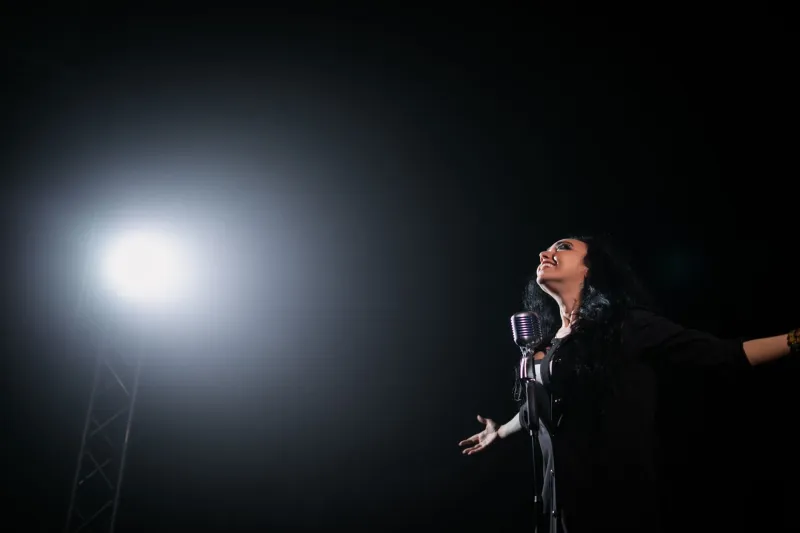
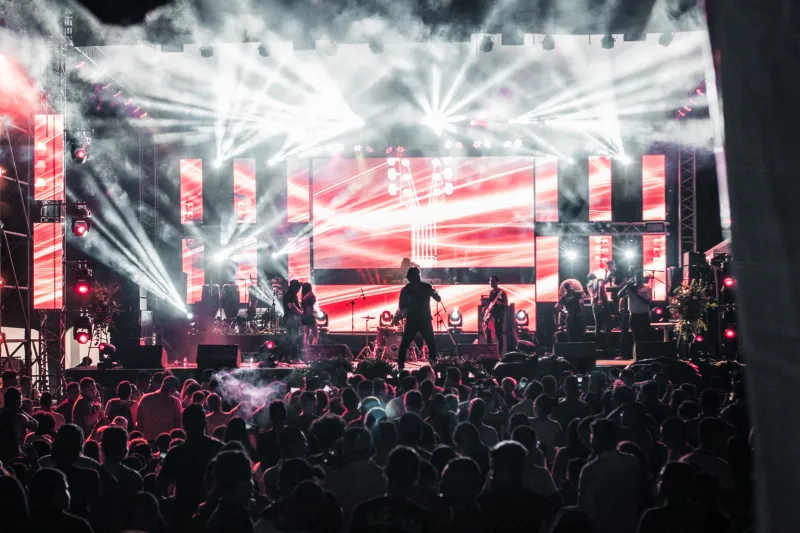
Know the Room Before the Room Knows You: The Pre-Show Recon Every Performer Needs
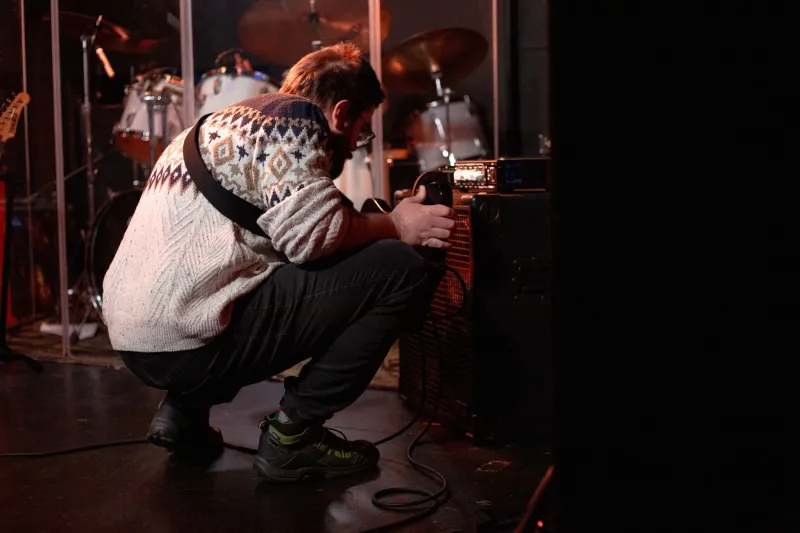
There's a version of tonight where everything goes sideways and you spend the whole set adjusting on the fly, burning energy you needed for the performance itself. And then there's the version where you walked in already knowing the layout, the crowd tendencies, the lighting quirks, and the vibe of the neighborhood. One of those nights ends with people wanting more. The other ends with you wondering what happened.
The difference usually isn't talent. It's preparation — specifically, the kind that happens before you ever step foot in the building.
Venue recon isn't glamorous. Nobody's going to clap for you because you watched three Instagram Reels of a bar from last Saturday night. But that unglamorous work is exactly what separates performers who consistently show up ready from the ones who are perpetually surprised by their own surroundings.
Let's break down how to actually do it.
Start With the Promoter — But Ask Better Questions
Most performers call the promoter to confirm the time and the address. That's the floor. You want to be asking questions that give you real intelligence.
Try these:
- What's the typical crowd like on this night? Not just age range — ask about energy level, how quickly they warm up, whether they tend to arrive on time or trickle in late.
- What's the stage setup? Is there a riser? How far is the front row from the performer? Is there a barricade, or are you basically in the crowd?
- What's the sound situation? In-house engineer, bring your own, or plug-and-pray with a house PA? This one matters a lot.
- What went well last time a similar act performed? What bombed?
- Is there a green room, or are you getting ready in a storage closet next to the beer kegs?
Promoters who've been around appreciate the professionalism. The ones who haven't will at least respect that you're taking this seriously. Either way, you walk away with intel that most performers skip entirely.
Decode the Venue Through Social Media
Before you show up, the venue's Instagram, TikTok, and Facebook pages are basically a free scouting report. Here's how to read them:
Look at crowd photos from similar nights. How packed is it really? Venues love to post the one angle that makes a half-full room look sold out. Scroll deep enough and you'll get a more honest picture of capacity and energy.
Check the layout in the background of performer shots. You can often spot stage height, the distance to the bar, where the sound booth sits, and how the room flows. These details tell you a lot about sightlines and crowd attention span.
Read the comments. Seriously. Regular patrons will tell you everything — what they love about the spot, what they complain about, how late things actually start. It's crowd psychology handed to you for free.
Look at Yelp and Google Reviews. Performers never think to do this, but regular venue-goers leave detailed notes about acoustics, service, layout, and atmosphere. If three different people mention that the back half of the room can't hear anything, you just learned something critical about where you need to project.
Drive the Neighborhood Before You Drive to the Gig
This one sounds like overkill until you show up to a venue in a part of town you've never been to and realize the parking situation is a disaster, the crowd demographic skews completely different from what you prepared for, or the venue is sandwiched between two other spots that are pulling people away all night.
Knowing the neighborhood context shapes your expectations in ways that matter. A room attached to a sports bar in a college town is going to behave differently than the same-sized room in a quiet arts district. The setting primes the crowd before you ever open your mouth.
If you can't physically drive by ahead of time, Google Street View and Maps satellite imagery can at least give you a sense of the block, the parking situation, and the surrounding venues.
Get There Early — But Actually Use That Time
Showing up 30 minutes early only counts if you're using those 30 minutes to learn something. Walk the room when it's empty. Stand on the stage or in the performance space and look out at where the crowd will be. Notice where the lights are pointing. Find the dead zones — the spots where sound drops off or sightlines get blocked by a pillar.
Talk to the bartenders and the floor staff. They know the room better than anyone. Ask them what nights are like, what the crowd tends to want, what acts have killed it there before. These people are an untapped resource that most performers completely ignore.
Check the sound yourself if you have any opportunity to do so. Even a quick soundcheck walk-through tells you whether you're going to be fighting the room acoustically or working with it.
Build a Pre-Show Recon Checklist
The goal here is to make this repeatable — not just something you do once before a big show. Build a simple checklist you run through for every booking:
- Called promoter and asked the right questions? ✓
- Reviewed the venue's social media for crowd and layout intel? ✓
- Checked Yelp/Google for patron reviews? ✓
- Looked up the neighborhood context? ✓
- Arrived early and walked the space? ✓
- Talked to floor staff? ✓
- Confirmed sound setup and any technical needs? ✓
This isn't about being paranoid. It's about taking control of the variables that are actually within your control so that when something unexpected does happen — and something always does — you're dealing with it from a position of strength, not scrambling from scratch.
The Mindset Shift That Changes Everything
Here's the real talk: most performers treat the venue as something that happens to them. They show up, assess the damage in real time, and adapt. That's reactive. And reactive is exhausting.
The performers who consistently leave rooms wanting more have already done the mental work of stepping into that space before they physically arrive. They've visualized the layout, anticipated the crowd, and built a flexible game plan that accounts for what they found in their research.
Every room has a personality. Your job isn't to overpower it — it's to understand it well enough that you can work with it. That starts long before the lights go up.
Do the recon. Own the room before you walk in. That's how showstoppers are made.